
14 Bracelet Clasps Types and How to Choose the Right One
Lobster clasps, box clasps, and spring rings top the security list among bracelet clasps types, while magnetic, toggle, and bolo closures win on ease of use for anyone fastening a bracelet with one hand. The tradeoff is consistent across the category: the most secure clasps usually take two hands and a little patience, and the easiest clasps trade some locking strength for that convenience. This guide covers 14 clasp types in detail, then walks through how to choose, install, and maintain each one.
- Most secure: lobster, hidden box, spring ring
- Easiest to fasten: magnetic, toggle, bolo
- Best all-around for chain bracelets: lobster clasp, provided the jaw width matches your link size
Key Takeaways
The most secure bracelet clasps trade some ease of fastening for locking strength, so match the clasp type to the wearer’s needs and the bracelet’s material before buying.
| Point | Details |
|---|---|
| Most secure options | Lobster, hidden box, and barrel clasps lock tightly but usually require two hands to fasten. |
| Easiest to fasten | Magnetic, toggle, and bolo clasps work well one-handed but hold less securely under strain. |
| Match clasp to bracelet | Pearl strands pair with ball clasps; tennis bracelets pair with hidden box clasps for a continuous stone line. |
| Check sizing before buying | Jaw width and ring diameter must match your chain’s jump rings to avoid premature wear. |
| Source durable components | Providencewholesalejewelry stocks stamped sterling silver clasps and finished bracelets built for repeat wear. |
Table of Contents
- Bracelet Clasps Types Explained: Definitions, Uses, and Security
- How to Choose the Right Clasp for Your Bracelet
- Installing and Maintaining Bracelet Clasps
- Sources
- FAQ
Bracelet Clasps Types Explained: Definitions, Uses, and Security
Jewelry guides typically group bracelet clasps into 14 to 16 recognized types, each built around a different locking mechanism, according to a complete guide to bracelet clasps. Knowing the mechanism tells you almost everything you need about security, ease of use, and which materials it pairs with. Here’s the full reference.
1. Lobster Clasp
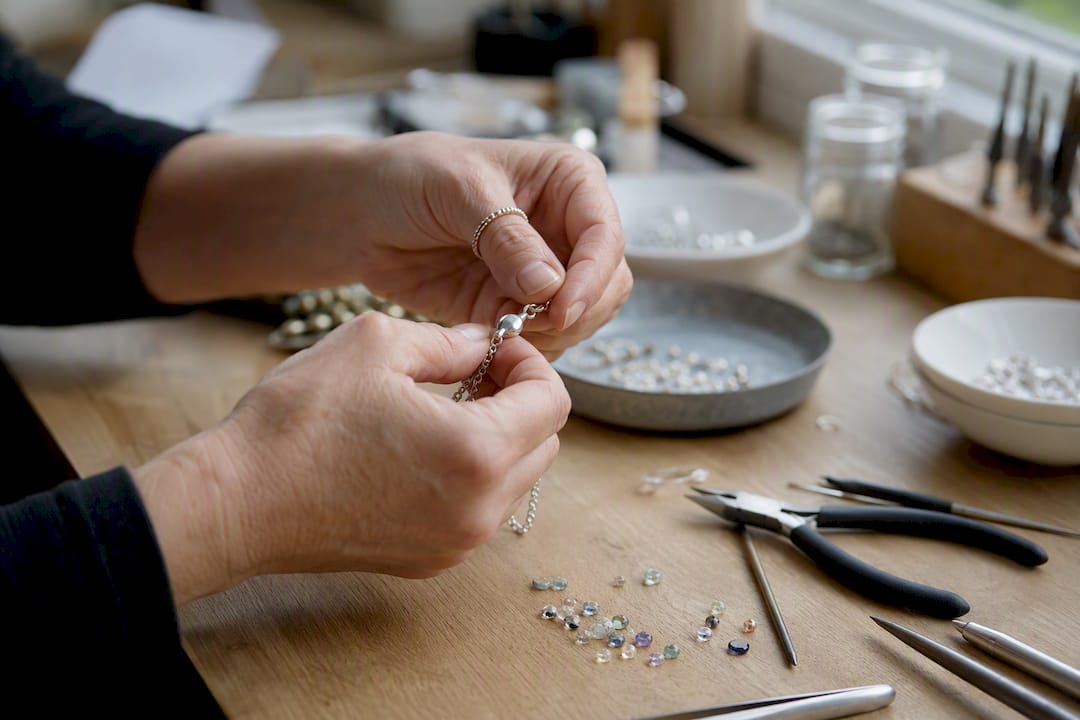
A lobster clasp uses a spring-loaded lever that snaps shut against a metal claw, the same mechanism dentists’ offices and hardware stores use for keychains, just scaled down. This spring action makes it the industry standard for chain and charm bracelets because it resists accidental opening far better than a simple hook. Security: high. Ease of use: moderate, usually two-handed. Best for: chain bracelets, charm bracelets, anything with a jump ring to attach to, like an 18 inch rolo chain. Care tip: check the spring tension every few months; a lobster clasp that swings loosely instead of snapping shut has a fatigued spring and needs replacing.
2. Spring Ring Clasp
The spring ring is the lobster clasp’s older cousin: a hollow circular ring with a spring-loaded tab you pull back to open. Security: high when new, though the small tab wears down faster than a lobster’s lever. Ease of use: low, since the tiny tab is hard to grip, especially for larger hands. Best for: lightweight chains and vintage-style pieces. Care tip: replace at the first sign of a sticking spring rather than forcing it.
3. Toggle Clasp
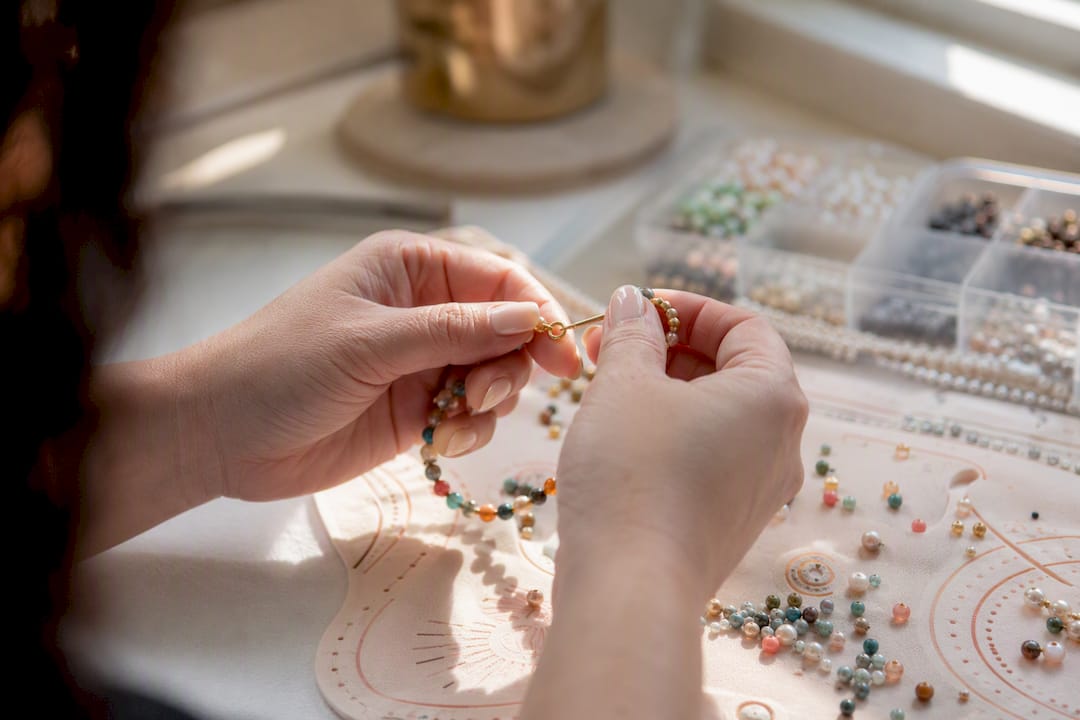
A toggle clasp pairs a bar with a ring; you slide the bar through, then let it settle sideways so it can’t slip back out. Toggle clasps work best on heavier or larger-link bracelets, where the bar has no chance of squeezing through the ring under tension. Security: moderate. Ease of use: high, one-handed friendly. Best for: statement bracelets, beaded designs, and pieces where the clasp doubles as a visible design element.
4. Box Clasp and Hidden Box Clasp
A standard box clasp has a folding tongue that snaps into a box-shaped receiver, often with a small safety latch on top. The hidden box variant tucks the mechanism underneath the bracelet so the front reads as a continuous line of stones or links. Hidden box clasps are the preferred closure for tennis-style bracelets, since they preserve the unbroken stone pattern while still locking securely, and many include a secondary safety chain as backup. Security: high, especially with a safety latch. Ease of use: low to moderate, generally two-handed. Best for: tennis bracelets, formal jewelry, diamond lines.
5. Magnetic Clasp
A magnetic clasp joins two halves using opposing magnets instead of a mechanical latch. It’s the easiest closure on this list to fasten. Stainless-steel polished versions come in compact sizes, an 8 mm polished stainless magnetic clasp weighs around 5 grams and is typically sold in small minimum order quantities, which makes it accessible for makers testing a new design. Security: low to moderate, since magnet strength varies by size and the clasp can separate under a hard pull. Ease of use: high, ideal for one-handed wearers or anyone with limited dexterity. Best for: lightweight bracelets, cord and leather pieces, and wearers who fasten jewelry without help. Caution: magnetic clasps can interfere with pacemakers and other implanted medical devices, so they’re not the right pick for every wearer.
6. Barrel or Screw Clasp
A barrel clasp is a small threaded cylinder that screws closed, similar in principle to a tiny turnbuckle. Security: high once tightened, since there’s no spring or magnet to fatigue. Ease of use: low, it requires two hands and small-motor precision. Best for: fine chains and pearl strands where a bulky clasp would look out of place.
7. Fishhook or Hook Clasp
A fishhook clasp is a simple curved hook that catches on a decorative loop or eye, sometimes with a small safety catch layered over the hook. Security: low to moderate; without a safety catch, it can work loose. Ease of use: high. Best for: vintage-style and simple beaded bracelets where a clean look matters more than maximum security.
8. Bolo (Sliding) Clasp
A bolo clasp uses a sliding bead over two parallel cords to cinch the bracelet to size, borrowed from bolo tie hardware. Security: moderate, dependent on cord friction. Ease of use: high, one-handed adjustable. Best for: adjustable cord bracelets and stacking pieces where you want one size to fit a range of wrists.
9. Fold-Over, Push, or Snap Closures
These clasps fold a flat metal tab over the opposite end and press into place, often with a small safety tab. Security: moderate. Ease of use: moderate. Best for: wider chain bracelets and cuff-style pieces, including designs like a beaded wire cuff bracelet.
10. Tube or Slide Clasp
A tube clasp works like a telescoping cylinder, one tube slides inside the other until a spring tab catches. Security: moderate to high. Ease of use: moderate. Best for: solid bangles and rigid bracelets where a hinge alone isn’t enough closure.
11. Padlock Clasp
A padlock clasp is exactly what it sounds like, a miniature working lock, often worn as a decorative statement piece as much as a functional closure. Security: high. Ease of use: low, two-handed and sometimes fiddly with a small key or hasp. Best for: trend-driven charm bracelets and layered stacks.
12. Buckle Clasp
A buckle clasp mimics a belt buckle, with a prong that catches into holes along the band. Security: moderate to high. Ease of use: moderate. Best for: leather and fabric cord bracelets where adjustability matters as much as closure.
13. Slide or Adjustable Closures
These use a sliding bead or crimped mechanism along a cord to let the wearer adjust circumference without a fixed clasp at all. Security: low to moderate. Ease of use: high. Best for: minimalist cord bracelets and friendship-style pieces sold in one universal size.
14. Ball or Ornamental Clasps
A ball clasp uses a small sphere that snaps into a slotted receiver, commonly seen on pearl strands, where a bulky mechanical clasp would clash with the design. Guides consistently pair ball clasps with pearl bracelets for exactly this reason, along with ornamental clasps shaped like hearts, flowers, or clasped hands, such as this sterling silver clasping hands bracelet. Security: moderate. Ease of use: moderate. Best for: pearl strands and sentimental or gift pieces.
Pro Tip: Match the clasp’s jaw or ring opening to your chain’s link diameter before you buy in bulk. A lobster clasp with too narrow a jaw will fight the jump ring every time, and that friction is what actually wears out a “high security” clasp early.
How to Choose the Right Clasp for Your Bracelet
Picking a clasp comes down to three questions: what’s the bracelet made of, how much security does the wearer actually need, and can they fasten it themselves? A pearl strand calls for a ball clasp because anything bulkier competes with the pearls visually. A tennis bracelet calls for a hidden box clasp with a safety latch, since a single failed link on a $2,000 diamond line is not a theoretical risk. A heavy curb chain can carry a lobster clasp or a fold-over closure without either one looking undersized.
Security and ease of use pull in opposite directions more often than not. Lobster, hidden box, and barrel clasps lock down hard but usually need two hands and decent fine-motor control. Magnetic, toggle, and bolo clasps go on fast with one hand but concede some holding strength in exchange. For a wearer managing arthritis or limited hand mobility, that tradeoff usually favors magnetic or toggle closures, but skip magnetic clasps entirely for anyone with a pacemaker or other implanted medical device.
Sizing matters more than shoppers usually expect. A clasp with an interior width that doesn’t match the chain’s jump ring will either jam or wear a groove into the metal within months. Plated base-metal clasps are noticeably cheaper up front, but a comprehensive guide to bracelet clasps notes that solid metal or properly stamped sterling pieces hold up to daily wear and repeated fastening far longer than thin plating does.
Run through this checklist before you buy:
- What is the bracelet made of: chain, beads, leather, or cord?
- Does the wearer need one-handed fastening?
- Is a medical device (like a pacemaker) a concern for magnetic options?
- How much visible bulk can the design tolerate?
- Is this a daily-wear piece or an occasional one?
- Does the clasp’s jaw or ring size match your jump rings or chain links?
Installing and Maintaining Bracelet Clasps
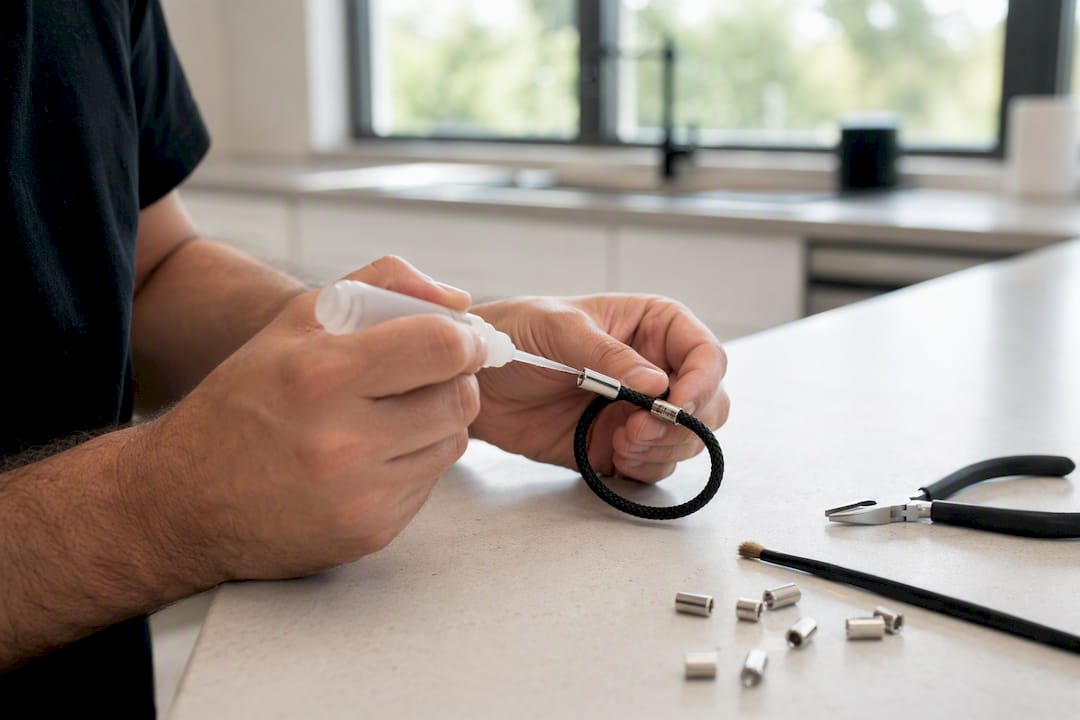
Attaching a clasp depends entirely on your base material. Chain and wire work best with jump rings, split rings, or crimp beads; soldering a jump ring closed adds real security for pieces that will see daily wear. Leather and cord need end caps, often set with an industrial instant adhesive after the contact surfaces are cleaned, since skipping that cleaning step is the single most common cause of a cord pulling free from its clasp housing later. Adhesive alone rarely holds up long term on its own, pairing it with a crimped or glued end cap gives a much more reliable bond.
Most clasp failures trace back to two things: a fatigued spring or a loosened jump ring. Tighten split rings with flat-nose pliers, and replace any lobster or spring ring clasp that no longer snaps shut with a firm click. Wipe clasps down regularly and inspect the spring mechanism for grit or corrosion, especially on pieces worn daily.
Pro Tip: If a magnetic clasp on a cord bracelet keeps slipping loose, the problem is almost never the magnet, it’s usually a contact surface that wasn’t fully cleaned before bonding. Redo the glue joint before you assume the clasp itself is defective.
A note on sourcing clasps for wholesale or small-batch work
For repeat customers, stamped S925 sterling clasps hold up to returns and repairs far better than poorly plated base metal, even though the upfront cost runs higher. If you’re producing at volume, order clasps in bulk from a supplier and finish assembly in-house, but demand a spring-tension sample and a plating thickness spec before committing to a large order. Providencewholesalejewelry stocks sterling silver components built with this kind of repeat wear in mind.
Stock Up on Clasps and Finished Pieces That Hold Up
If you’re piecing together bracelets for resale or restocking a shop’s inventory, sourcing every clasp, jump ring, and finding one at a time from different vendors eats into your margin fast. Providencewholesalejewelry carries sterling silver clasps, chains, and finished bracelets at wholesale quantities, so you’re not paying retail markup on the small components that make or break a piece’s durability.
The catalog includes finished pieces like a full mesh bracelet in 925 silver built with compatible clasp hardware already tested for daily wear, along with raw components for makers who prefer to assemble their own designs. Browse the full jewelry and supply catalog to compare quantities and pricing before your next restock.
Sources
- Bracelet Clasp Guide: 16 Secure Types & How to Choose | Forever For Love
- Magnetic Clasp for Bracelets – Polished: 8 mm
- Types of Bracelet Clasps Explained: A Complete Guide | Gabriel & Co.
FAQ
What Is the Most Secure Clasp for a Bracelet?
Lobster clasps and hidden box clasps rate highest for security because their spring-loaded or locking mechanisms resist accidental opening far better than hooks or magnets, according to a detailed clasp security guide.
What Are the Different Closure Types for Women’s Bracelets?
Common closure types include lobster, spring ring, toggle, box and hidden box, magnetic, barrel, fishhook, bolo, fold-over, tube, padlock, buckle, slide, and ball clasps, each suited to different materials and security needs.
What Is a Snap Lock Clasp?
A snap lock clasp, often called a fold-over or push clasp, closes when a folding tab presses down and locks into a receiving slot, usually with a small safety tab layered on top for extra hold.
What Size Lobster Clasp Fits a Bracelet?
Lobster clasp sizing depends on the chain’s link diameter; a common range runs from about 8mm for delicate chains up to 14mm or larger for chunkier chain bracelets, so match the clasp’s jaw opening to your jump ring size before assembly.
Are Magnetic Clasps Safe to Wear Every Day?
Magnetic clasps hold up fine for everyday wear on lightweight bracelets, but wearers with pacemakers or other implanted medical devices should avoid them because of magnetic interference risk.
Recommended
- Sterling silver “Mariage,faith,frendiship” clasping hands Bracelet – Providence Wholesale Silver
- Discover Distinct Types of Handcrafted Silver Gift Jewelry – Providence Wholesale Silver
- Handcrafted in the USA chain beaded mask holder unisex 8 color choices – Providence Wholesale Silver
- 925 Sterling Silver Beaded Wire Cuff Bracelet | Modern Adjustable Styl – Providence Wholesale Silver